Species interactions in tree-fungus systems
Meeting Program
Registration in Zoom is over.
06/17/26, Wednesday
Arrivals
06/18/26, Thursday
9:00 am – 9:20 am. Welcome remarks. Maria Shumskaya, Kean University, USA. Registration is over. Slides summary
9:30 am – 10:20 am. Natural history of dead wood. Dmitry Schigel, University of Helsinki, Finland; GBIF. Registration is closed. Summary slides
This presentation explores key factors shaping the natural history of dead wood, with a focus on drivers that are often overlooked in current saproxylic research. Special attention will be given to tree–fungi interactions and their role in dead wood dynamics and ecosystem functioning. Additionally, the talk examines trends in the development of professional skills and expertise in higher education across Eurasia.
10:30 am – 11.15 am. Dead wood in undergraduate research, outreach and citizen science. Maria Shumskaya, Kean University, USA. Registration is closed. Slides summary
Dead wood ecosystems provide a powerful, hands-on framework for teaching ecological principles, biodiversity, and species interactions in tree–fungus systems. This presentation highlights how integrating dead wood research into higher education curricula fosters experiential learning through molecular, ecological, and metabolomic approaches. It will also showcase the role of citizen science in expanding data collection on fungal diversity, engaging broader communities in meaningful scientific inquiry. By combining classroom research with public participation, this work advances both scientific knowledge and science education. Ultimately, these approaches create inclusive pathways for students and citizen scientists to contribute to understanding forest ecosystems.
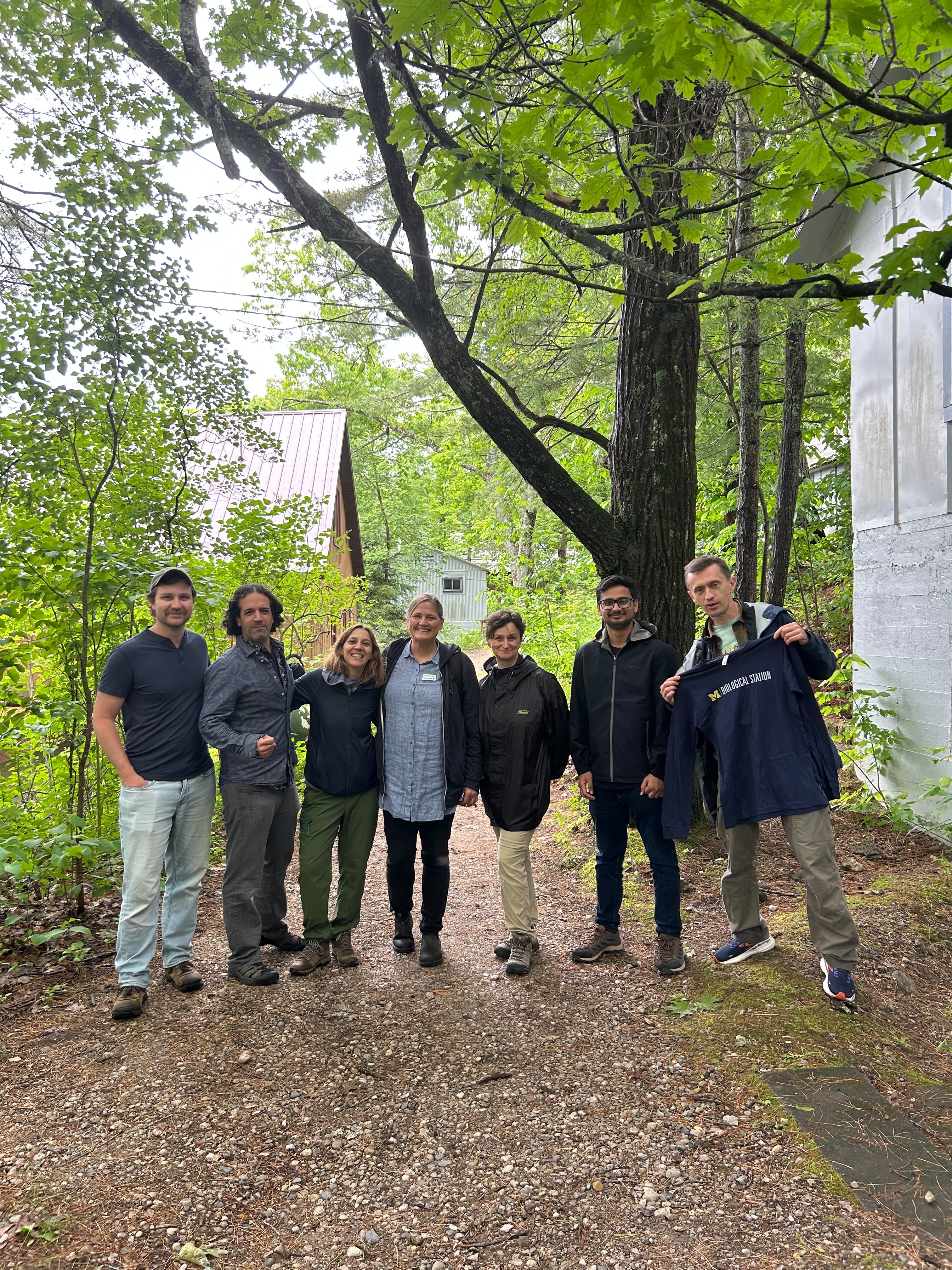
2:00 pm – 2:30 pm. UMBS welcome meeting and station tour. Aimee Classen, UMBS Director.
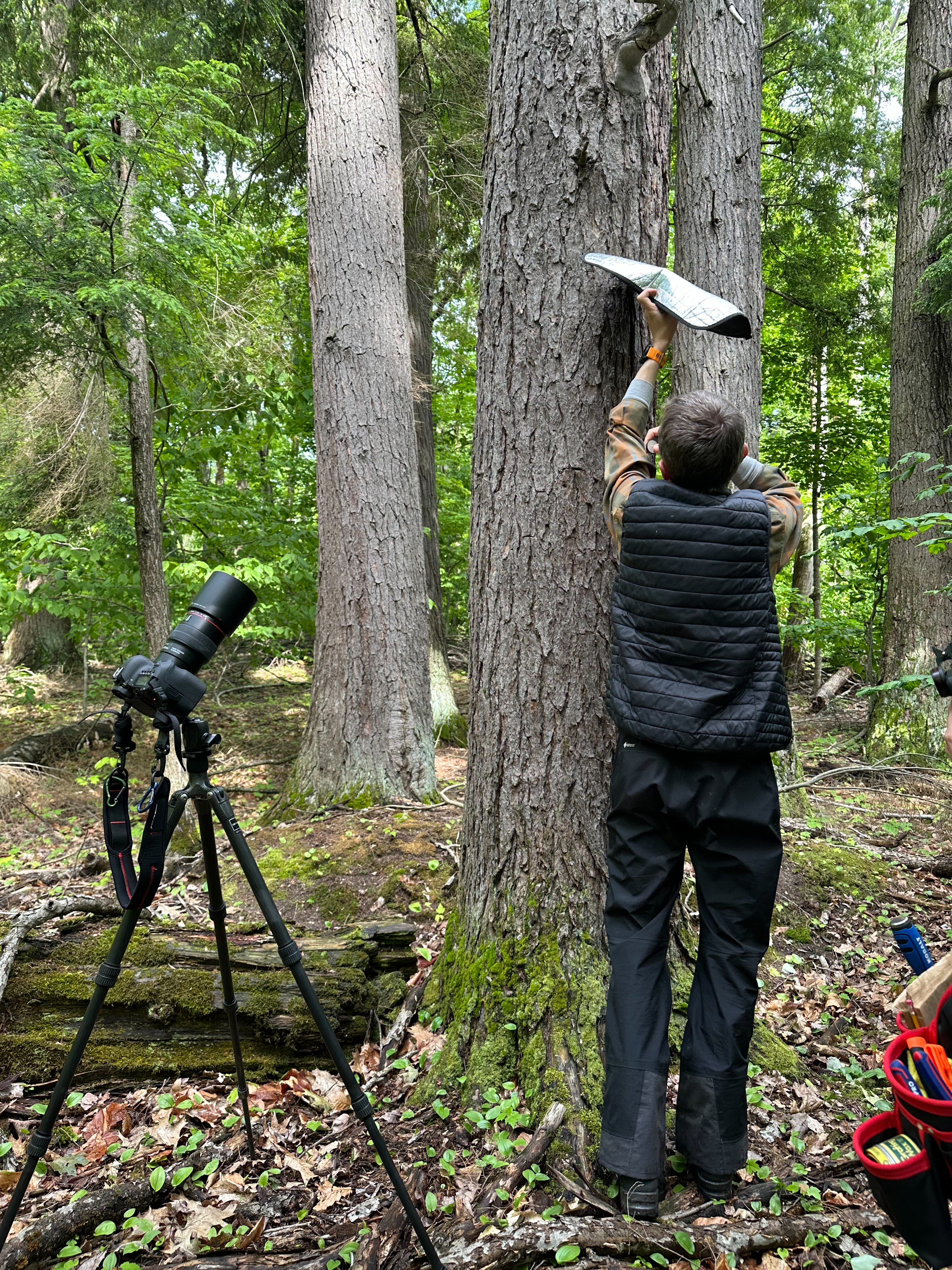
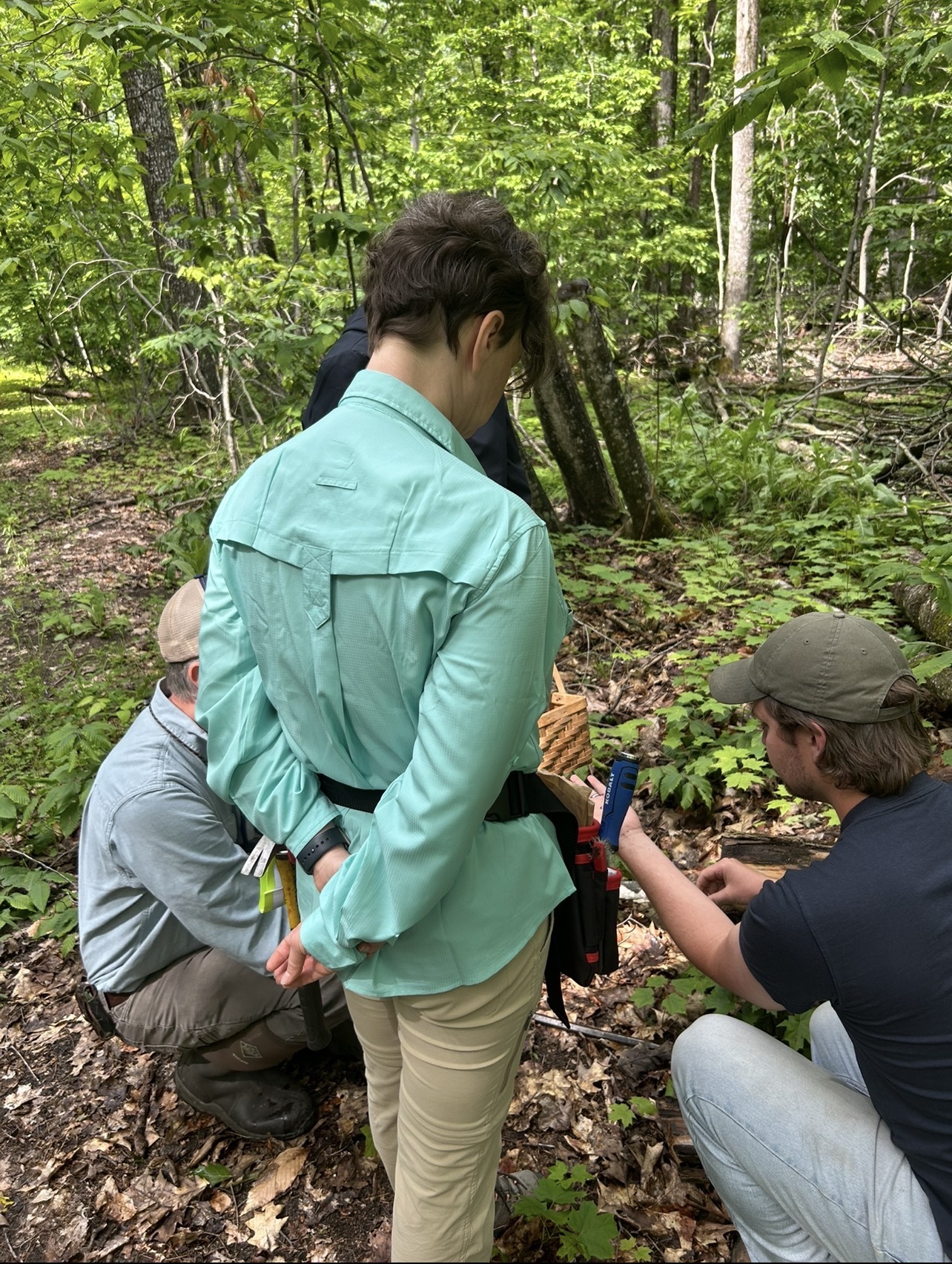
3:30 pm – 5:30 pm. Field trip, UMBS. Saproxylic fungi and insects. Tour guides: Clayton Traylor, Temple University, USA. Dmitry Schigel, University of Helsinki, Finland. Adam Schubel, UMBS.
8:00 pm – 8:50 pm. Diving into the unique life of deadwood and its role in carbon and nutrient cycling. Baptiste Wijas, Cary Institute of Ecosystem Studies, USA and the University of New South Wales, Australia. Registration is closed.
Deadwood stores approximately 8–10% of terrestrial carbon, representing a substantial resource for wood-dwelling organisms. To exploit this resource, organisms must adapt to highly variable and competitive conditions shaped by interactions with other decomposers and the surrounding environment. In this talk, I will first present my research on how termites and fungi compete for and modify deadwood, and how these interactions in the context of abiotic factors influence carbon and nutrient cycling. I will highlight how biological interactions can alter decomposition pathways and rates, with implications for ecosystem functioning. Second, I will broaden the discussion to examine how we measure deadwood decay processes and the challenges of scale in decomposition research. By considering processes operating from the microhabitat to ecosystem level, I aim to explore how methodological choices shape our understanding of deadwood dynamics and their role in global carbon cycling.
06/19/26, Friday
10:00 am – 10:50 am. Response of saproxylic beetles to changing forest conditions of the southeastern United States. Clayton Traylor, Temple University, USA. Registration is closed. Slides summary
Forests in the southeastern United States have changed greatly in age, structure, and composition over the past few centuries, in part due to shifting land-use and the invasion of non-native species. Saproxylic insects, which play key roles in tree-fungi interactions by dispersing fungal associates and increasing opportunities for microbial colonization of deadwood, are sensitive to forest conditions and thus are likely impacted by these alterations. In this talk I will present a series of studies that investigate how saproxylic beetles respond to land-use change and interact with non-native insects and trees. Results will highlight the mechanisms driving saproxylic beetle biodiversity in forests, explore patterns of competition between native and non-native ambrosia beetles, and describe the utilization of non-native tree species.
11:45 am – 6:30 pm. Field trip: Tahquamenon Falls State Park. Saproxylic fungi systems
7:00 pm – 9:00 pm. Meeting’s Dinner, Douglas Lake Bar and Stakehouse. Pellston, MI
06/20/26, Saturday
12:30 pm – 1:20 pm. Metabolomics of tree-fungi interactions. Adam Negrin, Kean University. Registration is closed. Slides summary
In this presentation we will discuss metabolomics and phylogenetics approaches to identifying chemical markers involved in ecological interactions within the complex between polypore fungi and their host trees. LC-MS–based profiling can reveal changes in plant and fungal metabolites during infection. In a series of complementary studies, our lab is profiling the chemical diversity of geographical samples of specific polypores in United States coupled to a chemotaxonomy to enable marker discovery and bioactivity-guided fractionation for further applications.
1:30 pm – 2:20 pm. Arbuscular Mycorrhizal Fungi: Diversity, Interactions, and Their Impact on Plant Symbioses. Victoria Vignale, Instituto de Biología Subtropical (IBS), Puerto Iguazú (CONICET-UNAM), Argentina. Registration is closed. Slides summary
This presentation explores arbuscular mycorrhizal fungi, focusing on their diversity, ecological interactions, and their role in shaping plant symbioses and soil functioning. These fungi are examined in both native and cultivated systems, including Ilex paraguariensis (yerba mate), where they contribute to plant performance and ecosystem processes. In particular, the presentation addresses how these symbioses influence plant growth and enhance tolerance to environmental stress. Together, these perspectives highlight the importance of fungal symbionts in linking plant health with soil functioning across natural and managed ecosystems.
2:30 pm – 3:20 pm. Introduction to GBIF: databases and data standards. Dmitry Schigel, University of Helsinki, Finland. GBIF. Registration is closed. Slides summary
This presentation introduces the basic principles of data publishing, access, and citation using the Global Biodiversity Information Facility (GBIF). As the largest free and open resource for biodiversity data, GBIF serves as a powerful platform for data discovery. Over its 25-year development, GBIF has evolved from primarily providing access to museum collections and citizen science records to incorporating DNA-derived evidence, as well as systematic survey and long-term monitoring datasets. Particular attention will be given to the availability of saproxylic fungi data within GBIF, including the growing number of large, openly published datasets that support research on biodiversity and ecosystem processes.
06/21/26, Sunday
Field work, departures
Photos from the meeting